News
-
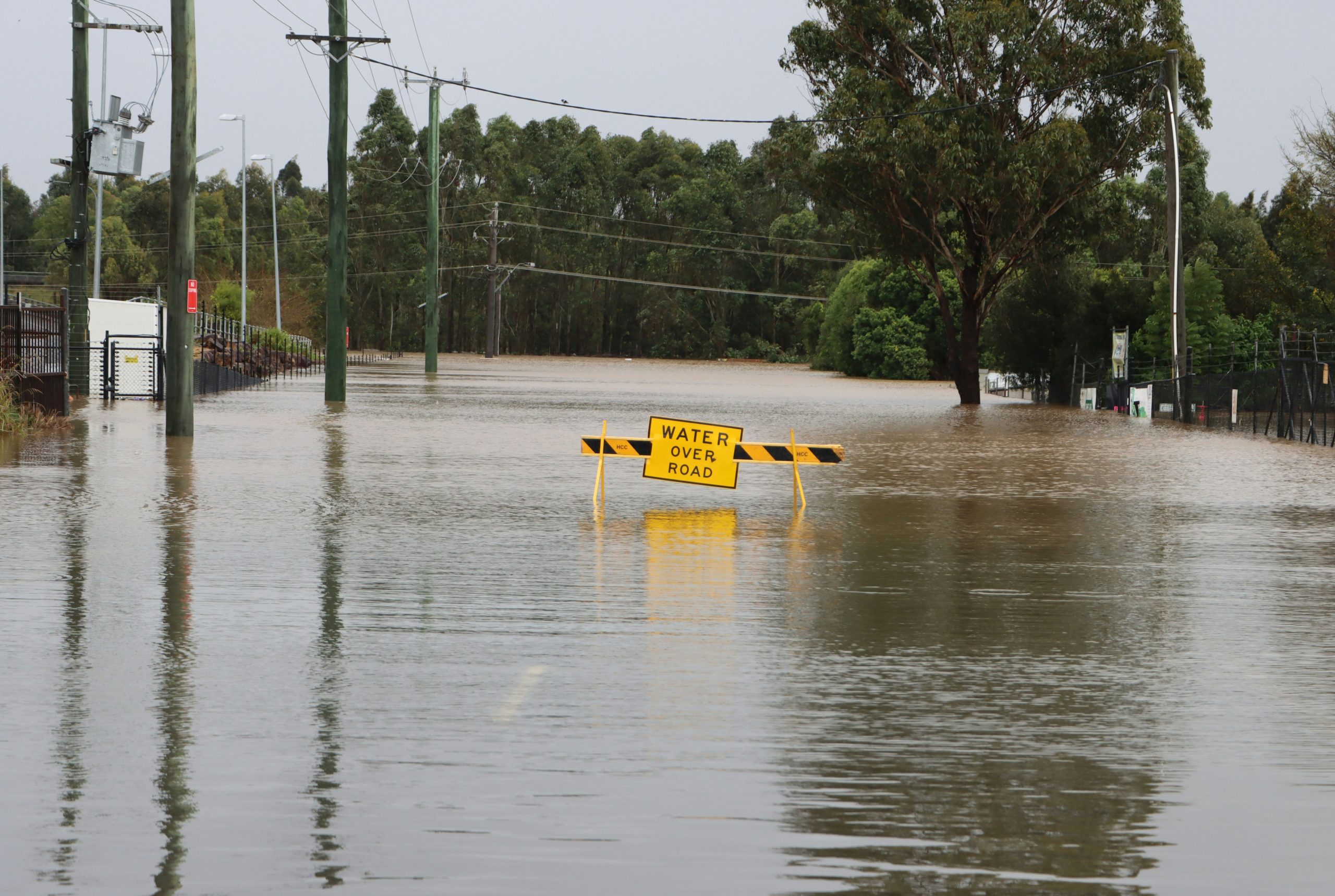
Why was 2022 in Australia so wet, and will it happen again?
Slow-moving systems of low pressure, high levels of atmospheric moisture and a perfect storm of La Niña, the Indian Ocean Dipole and the Southern Annular Mode caused Australia’s devastating 2022 floods, but more research is needed to understand the role of climate change in future heavy rainfall. Eastern Australia experienced record-breaking rainfall and flooding during……
-

Humid heat is exceeding human tolerance & causing mass mortality
Critical physiological limits to human heat tolerance are drawing ever closer, highlighting the urgent need to limit further climate warming and emphasising the adaptation challenge ahead. Writing in the journal Nature Climate Change, 21st Century Weather researchers and their collaborators at institutions around the world offered a stark reminder that the hottest boreal summer on……
-
Ailie Gallant elected AMOS Fellow
21st Century Weather congratulates our Chief Investigator Ailie Gallant, who has been elected a Fellow of the Australian Meteorological & Oceanographic Society (AMOS). Ailie is an Associate Professor in the School of Earth, Atmosphere and Environment at Monash University, and a leading expert in climate extremes, particularly drought. Her election as an AMOS Fellow is……
-
Helen Cleugh & Kim Reid receive AMOS Awards
21st Century Weather’s Helen Cleugh & Kim Reid have received distinguished awards from the Australian Meteorology & Oceanographic Society (AMOS). Morton Medal: Helen Cleugh The 2024 Morton Medal was awarded to Dr Helen Cleugh, chair of the 21st Century Weather Advisory Board. According to AMOS, through her own research, and especially through her research leadership……
-
A Decadal Plan for Australian Earth System Science
21st Century Weather supports the recommendations made in A Decadal Plan for Australian Earth System Science 2024–2033. The Decadal Plan has been developed by the Australian Academy of Science’s National Committee for Earth System Science (NCESS). Members of the NCESS include 21st Century Weather Chief Investigators Julie Arblaster, Claire Vincent and Negin Nazarian. The plan calls for……