

News
-
Melissa Hart among Wellcome Trust grant recipients
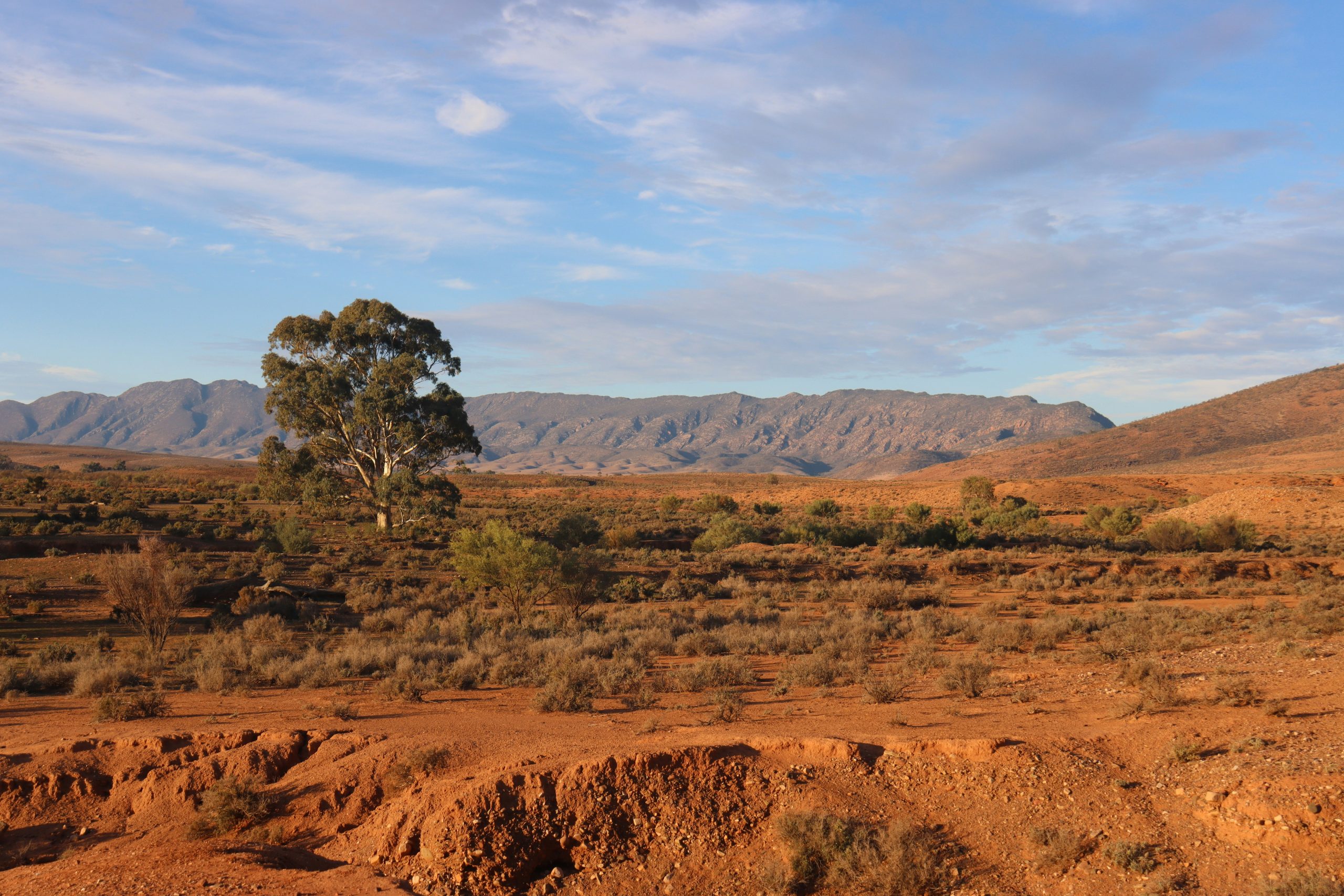
Please join us in congratulating 21st Century Weather’s Associate Director Melissa Hart and her collaborators, who have received AU$4.2 million in Wellcome Trust grant funding to research the heat health burden on First Nations communities in under-resourced remote Australia. Led by Associate Professor Supriya Mathew of the Menzies School of Health Research, the funded project……
-

How machine learning can decode wind patterns in our cities
Imagine predicting the wind flow around you with precision – perhaps to find a refreshing breeze on a hot day or a sheltered spot when it’s chilly. Until now, such predictions would require solving complex physical models on supercomputers – far too demanding for personal devices like phones, ipads and laptops to handle. Researchers at……
-
Local extremes, global impacts: Attribution for Loss & Damage
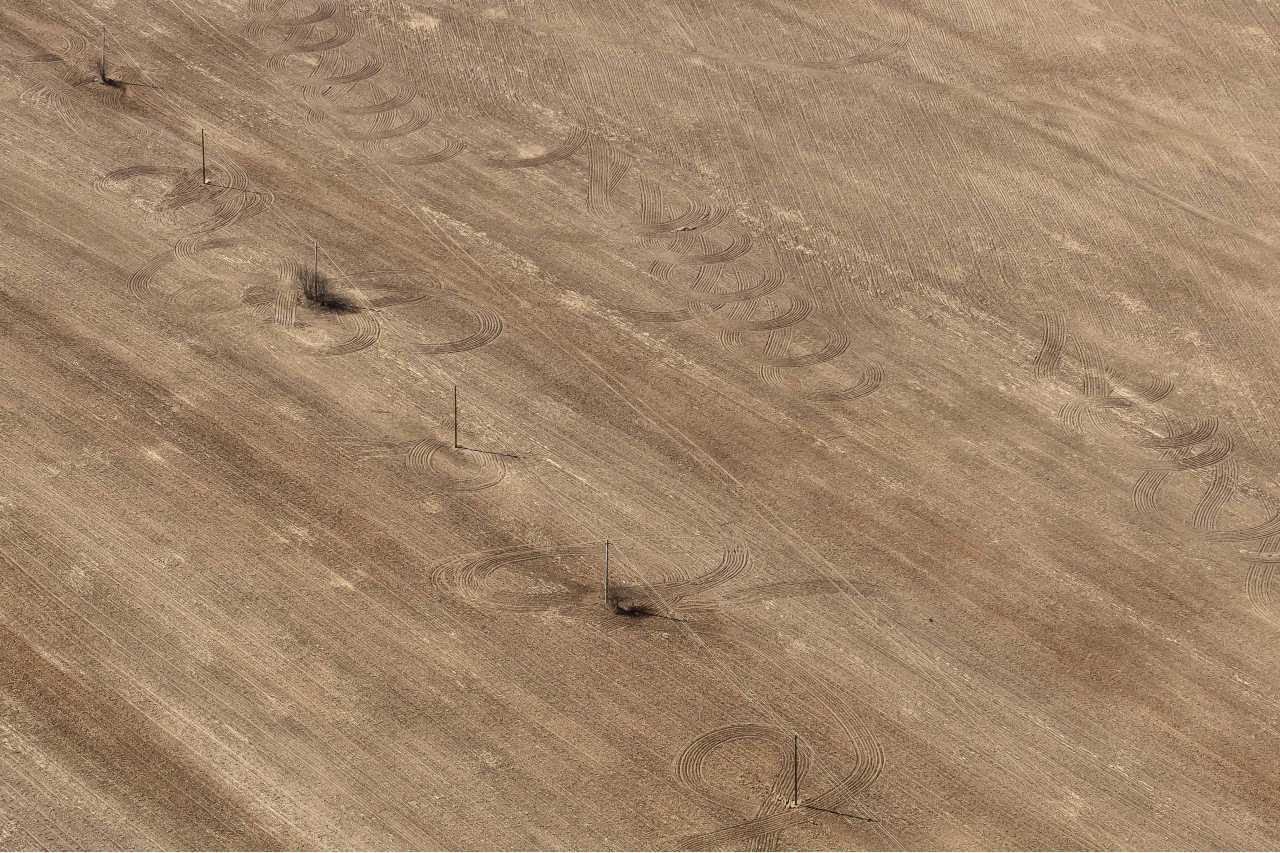
In recent years, the world has been grappling with the growing impacts of climate change, from devastating heatwaves to floods and droughts. Behind the scenes, work has been continuing to determine how we can fairly and accurately support affected communities and countries via the mechanisms of Loss & Damage and impact attribution. A significant outcome……
-
Negin Nazarian’s Journey to Antarctica with Homeward Bound
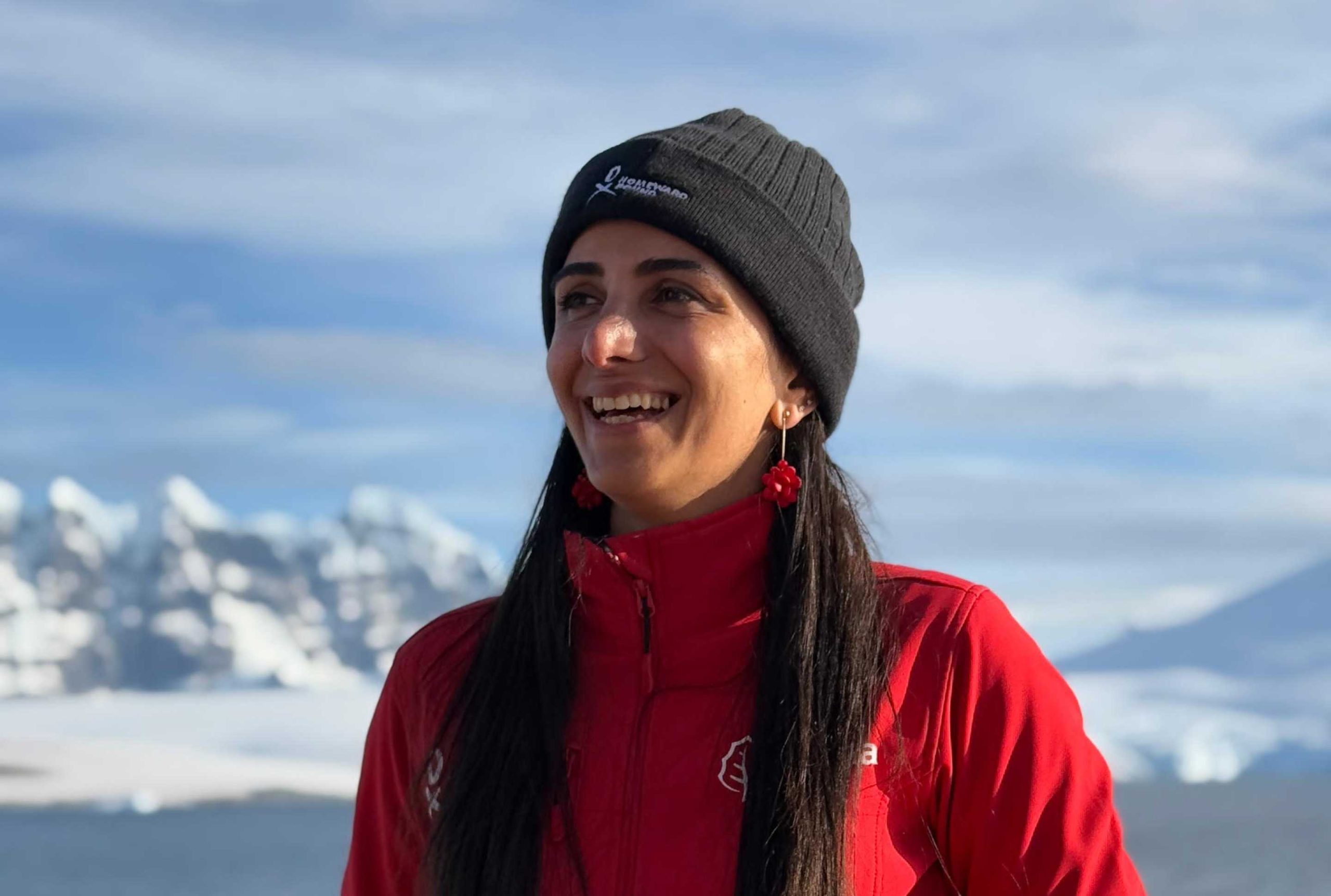
In this special blog post, read about 21st Century Weather Chief Investigator Negin Nazarian’s inspiring voyage to Antarctica as part the Homeward Bound program. Why was I there? I promised Antarctica reflections and penguin photos, so here we go! First and foremost: why was I there? The answer is to take part in the most……
-
Seasons & regions key to linking El Niño, La Niña & rainfall
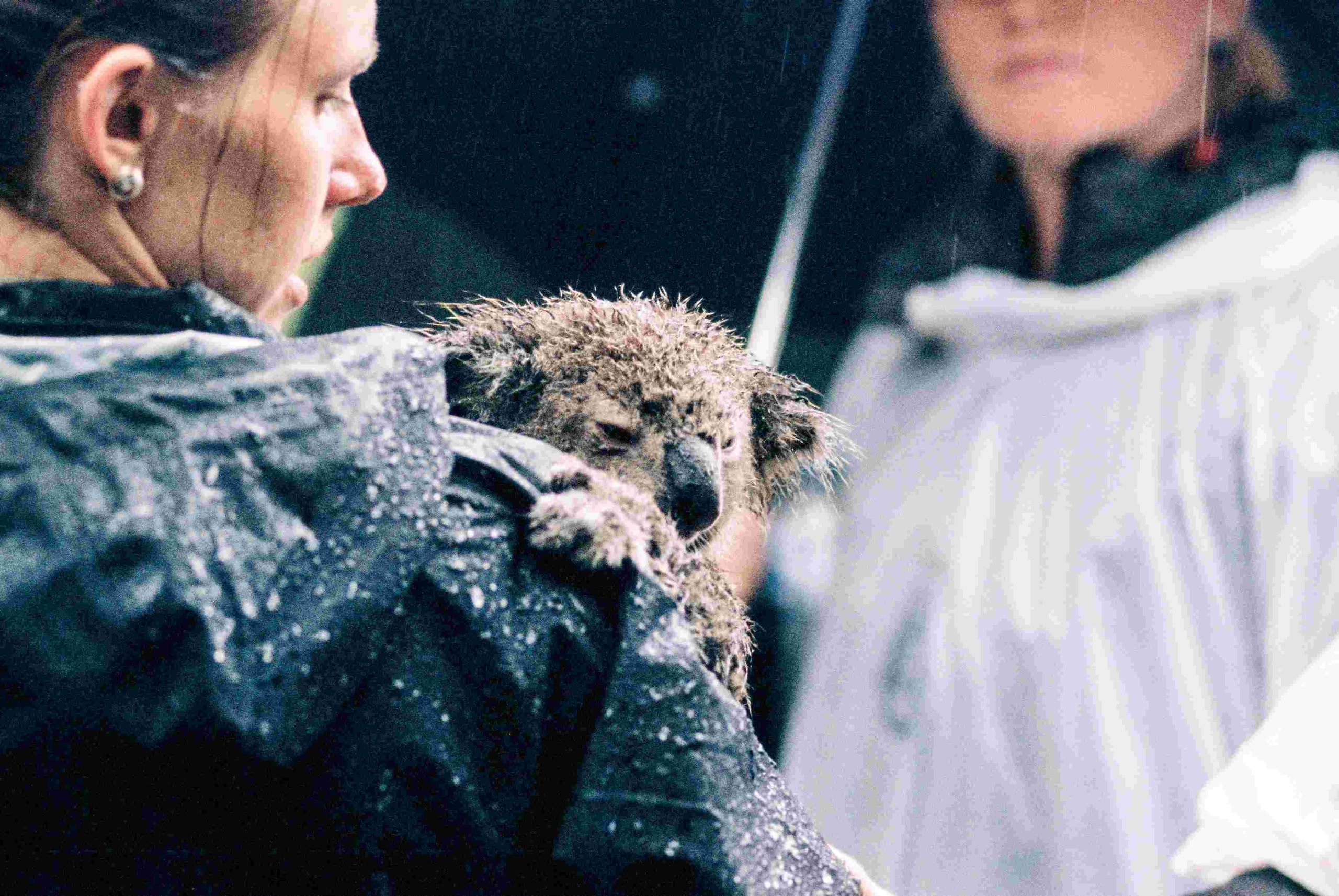
New research conducted using machine learning has highlighted the importance of focusing on specific seasons and regions when using major modes of climate variability to predict rainfall. Large-scale modes of climate variability, such as the El Niño-Southern Oscillation (ENSO) and the Indian Ocean Dipole (IOD), are often identified in advance by major weather organisations around……