
Briefing Notes
At 21st Century Weather, our Briefing Notes translate complex scientific research into clear, accessible insights. These notes cover topics ranging from Weather Change and Weather Resources to High-Impact Weather.
Each Briefing Note is designed to help decision-makers, industries, and communities understand the science and research that underpins the weather we rely on, and how it’s shifting in response to a changing climate.
Whether you’re looking for insights on how climate change will affect weather patterns or how weather resources can be harnessed to power our future, our Briefing Notes make complex topics easy to navigate. Our goal is to ensure that the vital information from our cutting-edge research is accessible to everyone.
2025
Follow the links below to access the latest Briefing Notes produced by 21st Century Weather.
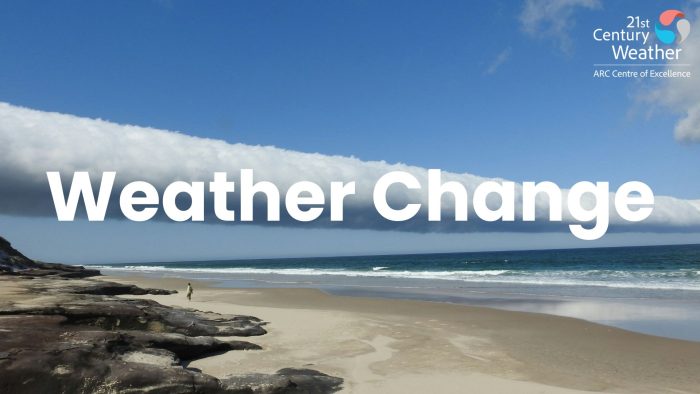
Weather Change
The warming of the Earth is reshaping Australia’s weather. While we understand long-term climate trends, predicting future weather changes remains a complex scientific challenge. In this Briefing Note, we address the following questions:
- What is weather change, and why does it matter?
- What is the difference between climate and weather?
- How is climate change changing our weather?
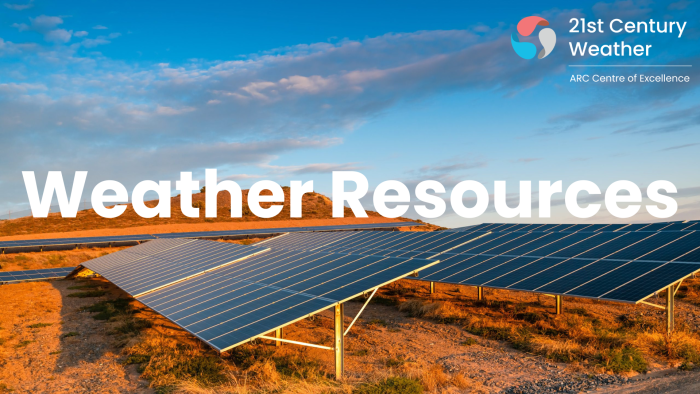
Weather Resources
Weather isn’t just a hazard, it’s a vital resource that powers daily life, from food and water to energy and recreation. In this Briefing Note, we address the following questions:
- What are weather resources, and why do they matter?
- How does climate change affect their availability and reliability?
- What do we still need to understand to prepare for the future?
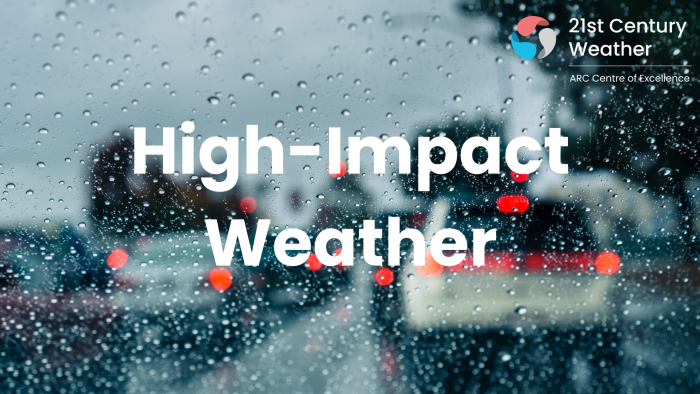
High-Impact Weather
High-impact weather events, like heatwaves and heavy rain, are becoming more frequent and disruptive. Even when they’re not damaging extremes, like wind droughts, they can have major consequences for people, infrastructure and industries. In this Briefing Note, we address the following questions:
- What is high-impact weather, and how is it defined?
- Why is impact more important than intensity?
- How might climate change increase our exposure to high-impact weather?